
Interview: A. Van Jordan

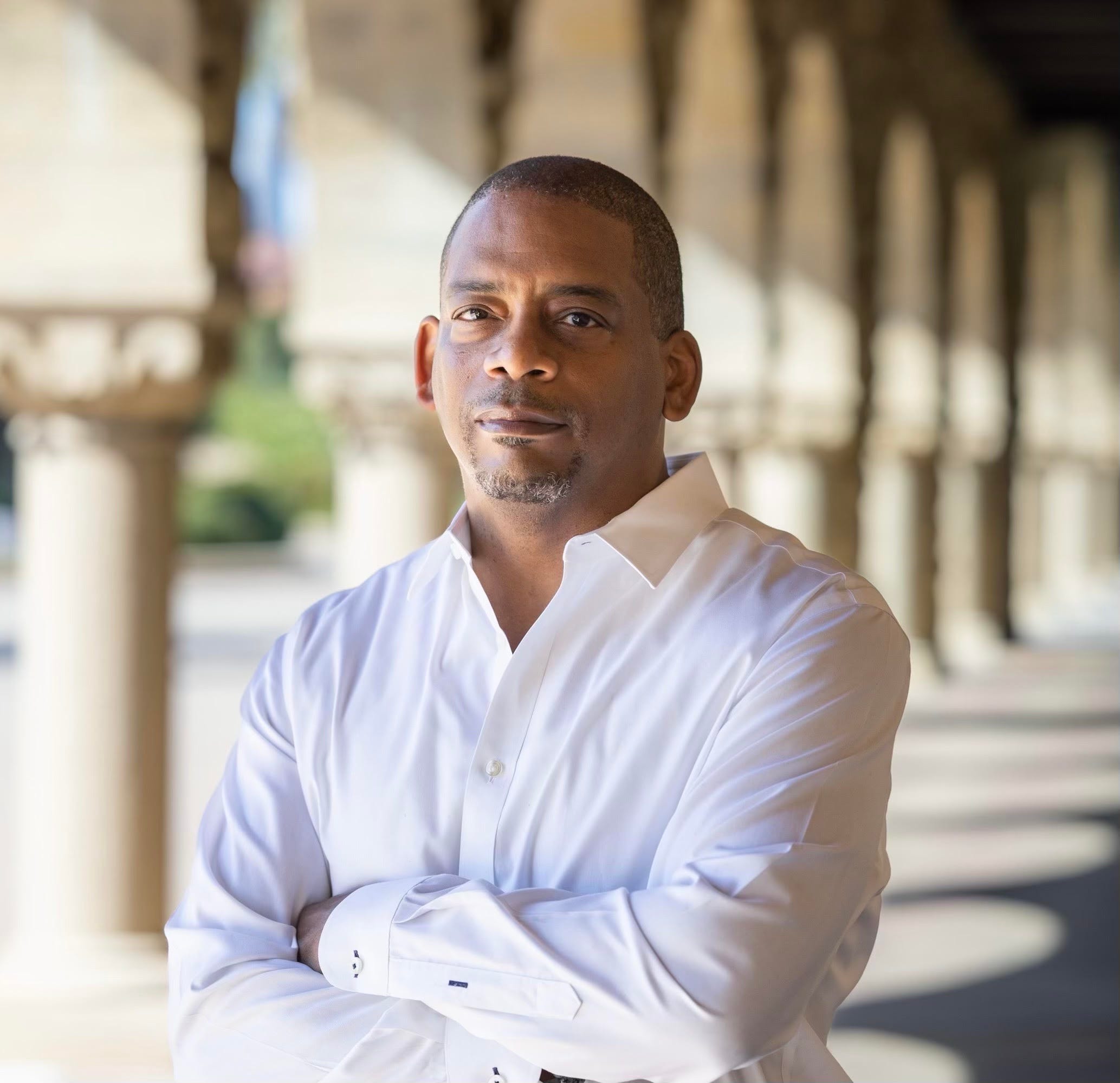
A. Van Jordan is the author of five collections: Rise, which won the PEN/Oakland Josephine Miles Award (Tia Chucha Press, 2001); M-A-C-N-O-L-I-A, (2005), which was listed as one the Best Books of 2005 by The London Times; Quantum Lyrics, (2007); and The Cineaste, (2013), When I Waked, I Cried to Dream Again, (2023), winner of the Hurston Wright Legacy Award, W.W. Norton & Co. Jordan has been awarded a Whiting Writers Award, an Anisfield-Wolf Book Award, and a Pushcart Prize. He is also a recipient of a Guggenheim Fellowship (2007), a United States Artists Fellowship (2009), and a Lannan Literary Award in Poetry (2015). He holds the Humanities and Sciences Chair in English and is also a professor in the Dept. of African and African American Studies at Stanford University.
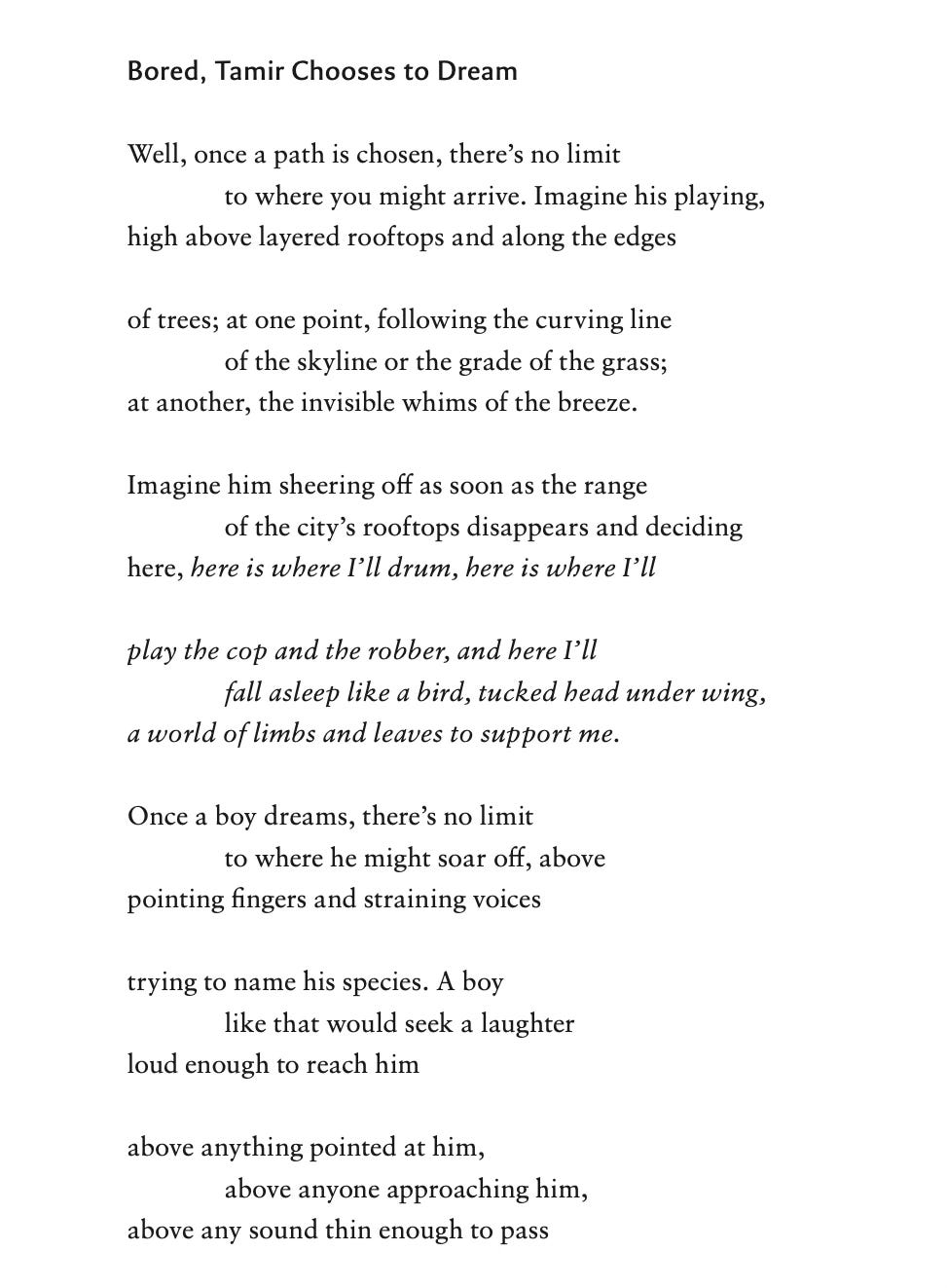
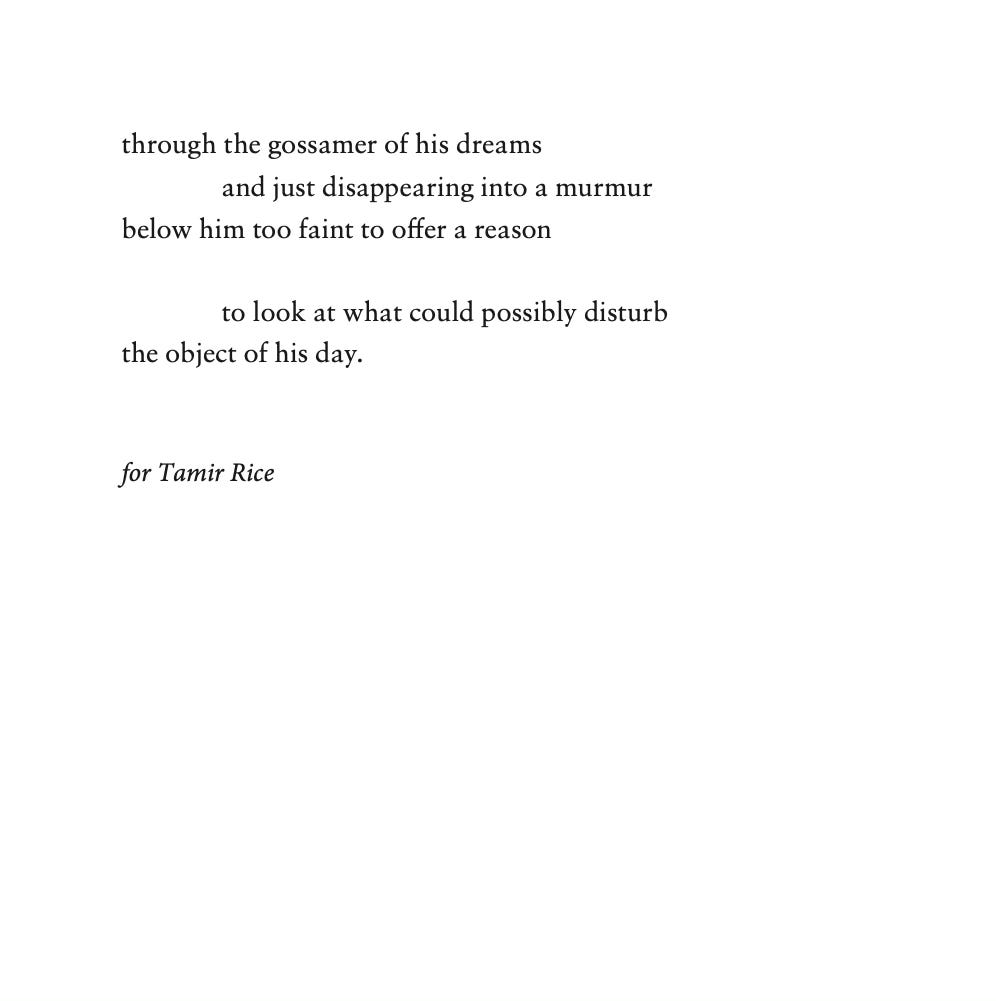
Jordan’s poems, such as “Bored, Tamir Chooses to Dream,” uses the maximum impact of line break, stanza break, form, blank space, consonance, and voice to inculcate a world of sensitive inquiry. This poem’s stepped, or tiered, tercets in four sentences to evoke Tamir Rice (2002-2014) who was murdered by police officers in a public park in Cleveland, Ohio.
The poem begins nearly in mid-conversation (“Well…”) and shows Rice playing and daydreaming as children do. The poem imagines Rice as a bird or some kind of creature unidentifiable to onlookers. The poem is an elegy as well as a sober commentary on the tragedy, and its broader implications.
SS: What is the function of poetry?
AVJ: In a world in which everyone is moving at the speed of social media— and, sadly, AI—poetry offers an opportunity to take a beat and think about ourselves and those around us. Not much else in our lives asks, “What did I know? What did I know of love’s austere and lonely offices?”
SS: What is the hardest thing about writing poetry?
AVJ: I find the hardest part of writing poetry is having something both original to say and to have something worth saying.
SS: What would make poetry better or healthier? Better?
AVJ: More thought put into it. Healthier? Having more people who aren’t poets read it. I think we’re the only art form that creates primarily for practitioners of the art and for its scholars. I think if poets knew that more people without MFAs were reading them, it would show in the poetry.
SS: What non-poetry book should poets read?
AVJ: The Structure of Scientific Revolutions by Thomas Kuhn. It’s a great blueprint for paradigm shifts, and we certainly need one now. People think we’re in the middle of one, some kind of revolution on the political right, but this is just a moment that’s continuing old, unhealthy behavior. Repeating mistakes in history is not revolutionary.
SS: Which poet do you think is underrated?
AVJ: Ed Roberson! I believe Ed is in his 80s now, and he’s increasingly—and steadily — writing his best work.
For further reading:
Jordan, A. Van. When I Waked, I Cried To Dream Again: Poems. New York: W. W. Norton, 2023. [Buy at Bookshop]
—. The Cineaste. New York: W. W. Norton, 2013. [Buy at Bookshop]
—. Quantum Lyrics: Poems. New York: W.W. Norton, 2007. [Buy at Bookshop]
—. M-A-C-N-O-L-I-A: poems. New York: W.W. Norton, 2004. [Buy at Bookshop]
“I think if poets knew that more people without MFAs were reading them, it would show in the poetry.”
Thanks for this, Sean.
Van's work is tremendous! I frequently teach his poems & they blow students away--expanding their understand of what poetic structures can be & how they can function. Thanks for the great interview! Am excited to share this with students too.