

About Sean Singer
Sean Singer Editorial Services
New Guided Poetry Reading Groups
REGISTER HERE:
https://www.seansingerpoetry.com/join-book-club
SIGN-UP IN AUGUST AND I WILL INCLUDE A 30-MIN. EDITORIAL CONSULTATION
Fall/Winter 2026
Reading Groups are facilitated sessions guiding committed poets and poetry readers in a practice of reading more deeply, creatively, and intentionally. Each month, groups perform a close reading of a current book of poetry—books that are overlooked and underrated, books that have something important to tell us about what it is to be alive today.
Groups meet once a month for two hours. Outside of meeting times, I’ll support your reading with prompts, guiding questions, and supplementary materials with a special focus on issues of craft.
Sunday Reading Group Fall 2026
11 am-1 pm EST
Sept. 20, Oct. 25, Nov. 22, Dec. 20
Christopher Gilbert, Turning into Dwelling (Graywolf, 2015)
Caroline Knox, To Drink Boiled Snow (Wave, 2015)
Joan Murray, Drafts, Fragments, and Poems: The Complete Poetry (NYRB, 2018)
Rachel Wetzsteon, Sakura Park (Persea, 2006)
Thursday Reading Group Fall 2026
10 am-12 pm EST
Sept. 24, Oct. 22, Nov. 19, Dec. 17
Robert Hayden, Collected Poems (Liveright, 2013)
Laurie Sheck, Captivity (Knopf, 2009)
Bill Knott, I Am Flying into Myself: Selected Poems, 1960-2014 (FSG, 2018)
Donna Masini, Did You Find Everything You Were Looking For? (Norton, 2026)
Subscribe to The Sharpener
The paid-subscriber version of The Sharpener includes weekly installments of craft pieces, approaches to writing problems, topics in contemporary publishing for writers, and biographical features on poets I consider important.
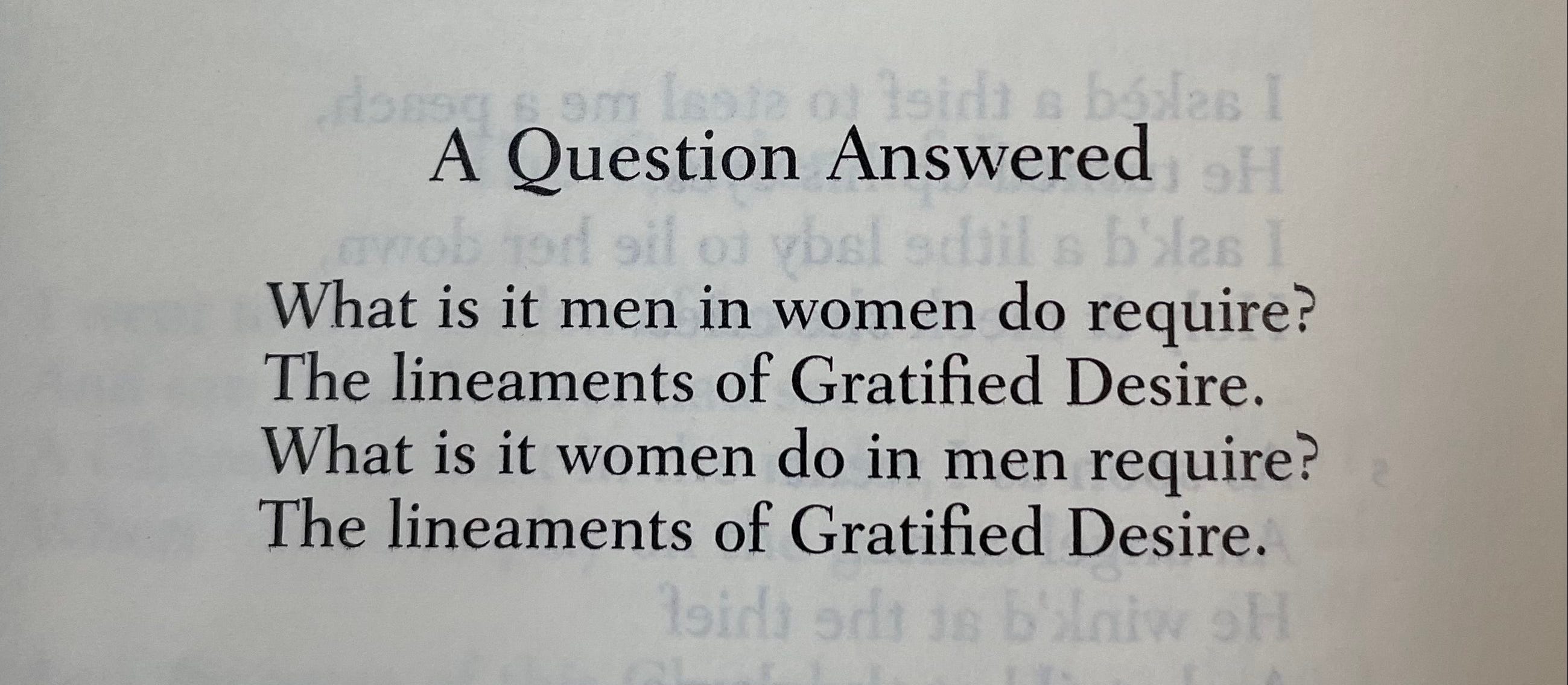
William Blake:
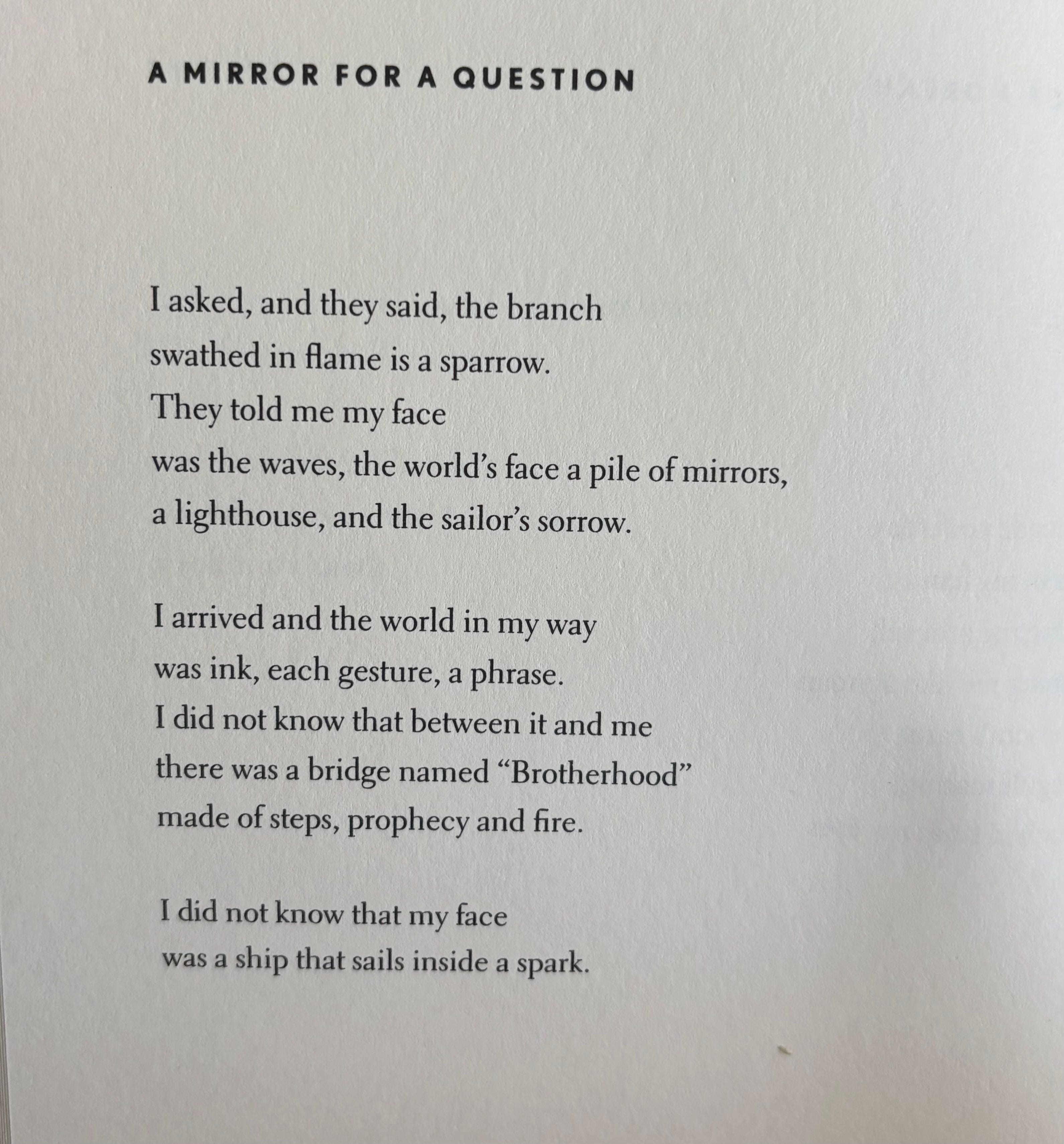
Adonis (tr. from Arabic by Khaled Mattawa):
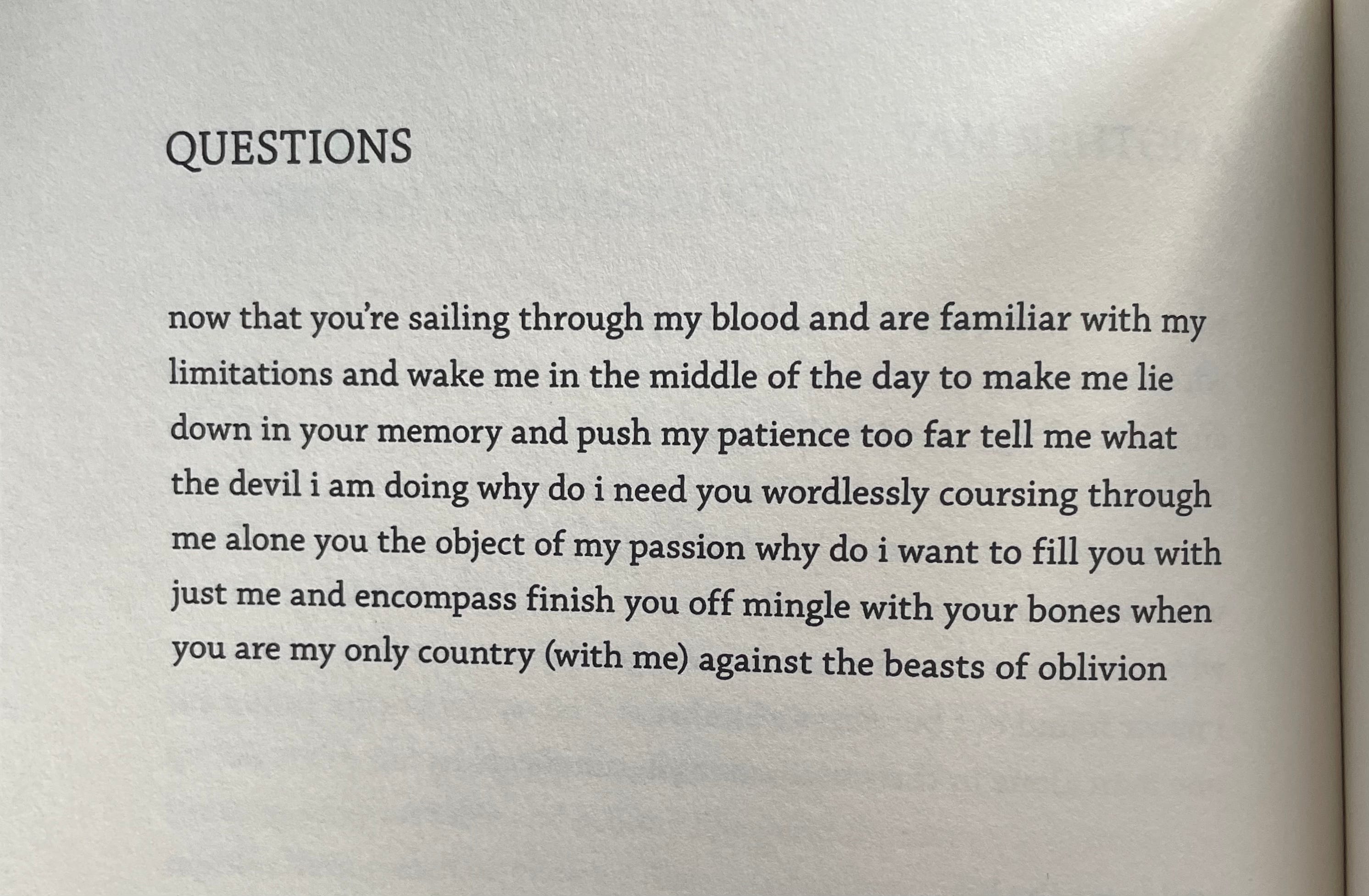
Juan Gelman (tr. from Spanish by Hardie St. Martin):
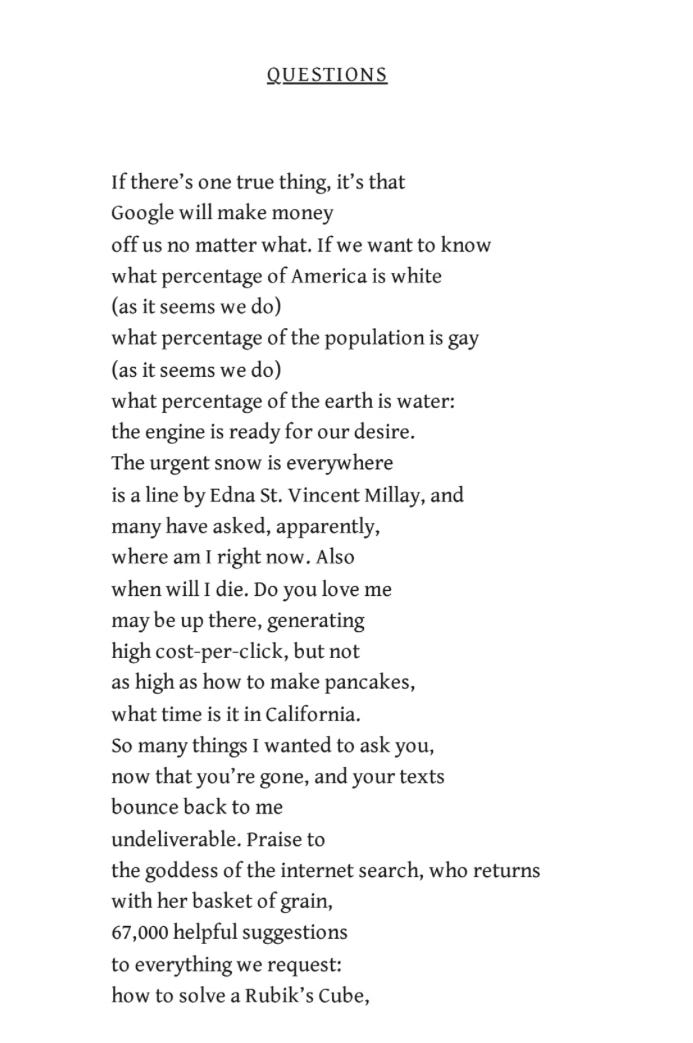
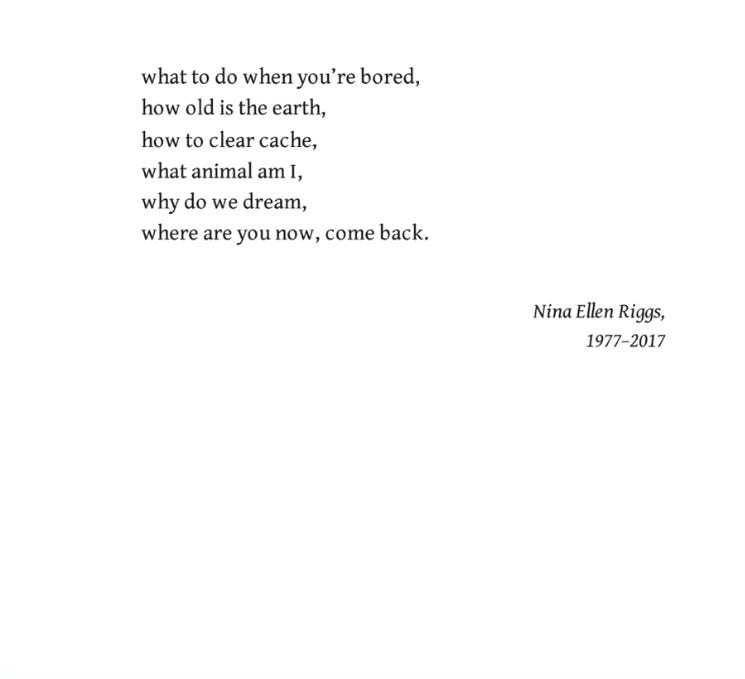
Rachel Richardson:
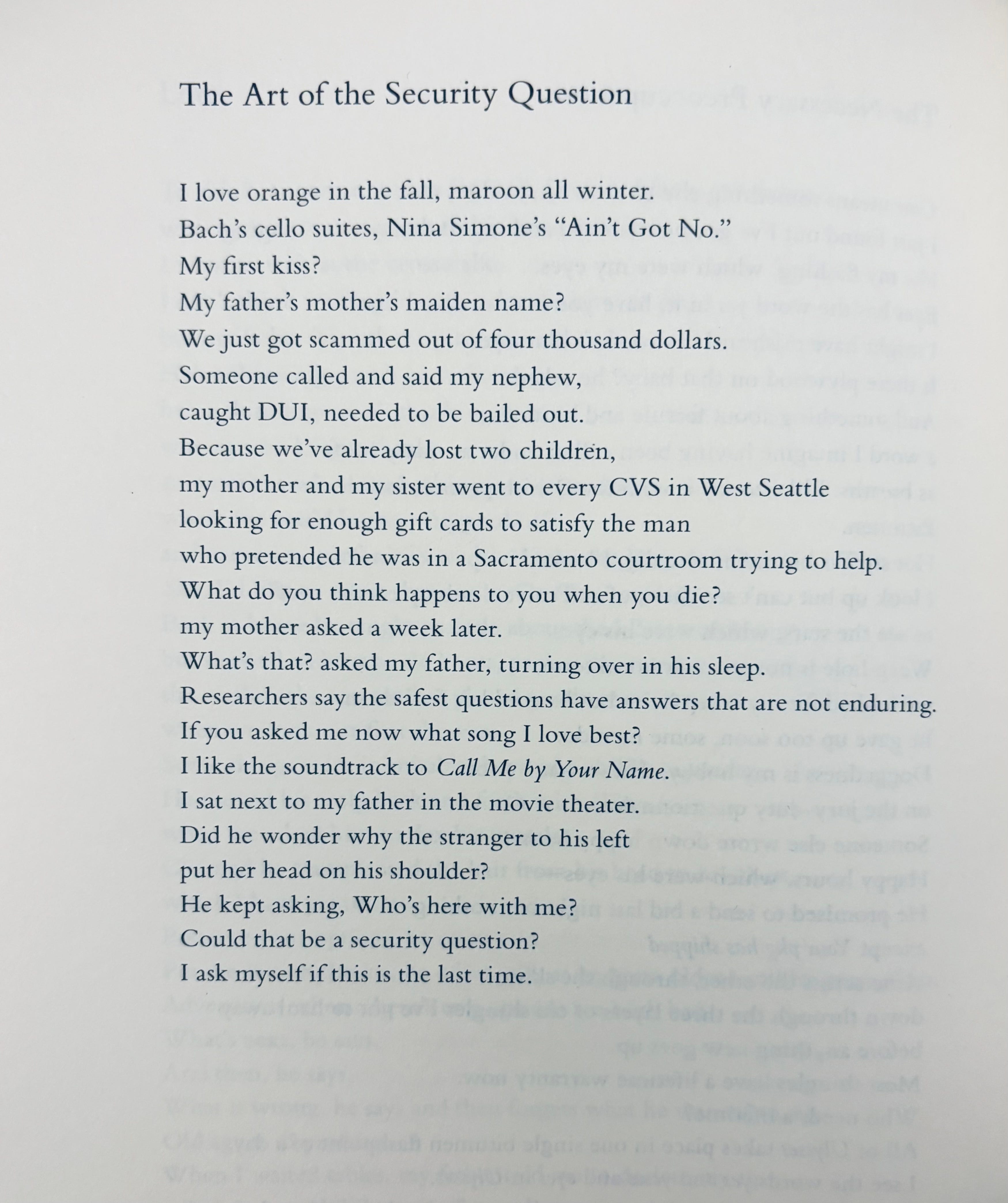
Catherine Barnett:
The Bad Plus, “Silence is the Question,” rec. 2003:
I particularly enjoyed being introduced to the Adonis and Rachel Richardson poems. Thanks for this compilation!
Like Lee S. Kohman, I especially liked the Adonis poem! This summer, I've gotten into the habit of copying out poems in the original language side-by-side with the translated poem, in English, German, Italian, French, Spanish, and Portuguese languages specifically. I was struck by how idiosyncratic the translation of the Juan Gelman poem (in Spanish; 'Preguntas') by Hardie St. Martin is. St. Martin translates it as a single prose paragraph without punctuation or capitalization whereas the original is broken into lines of verse using commas here and there and ending in a period. Also, the first letter of the opening line is capitalized. St. Martin chose to render Gelman's repeated 'y abarcarte, abarcarte' as 'encompass finish you off' and St. Martin's 'mingle with your bones' is in the original 'mezclarme en tus cabellos' (literally translated: 'infiltrate myself in your hair'). These are not criticisms but I'd love to know how St. Martin came to make her choices.