
Writing Problems: Sentimentality

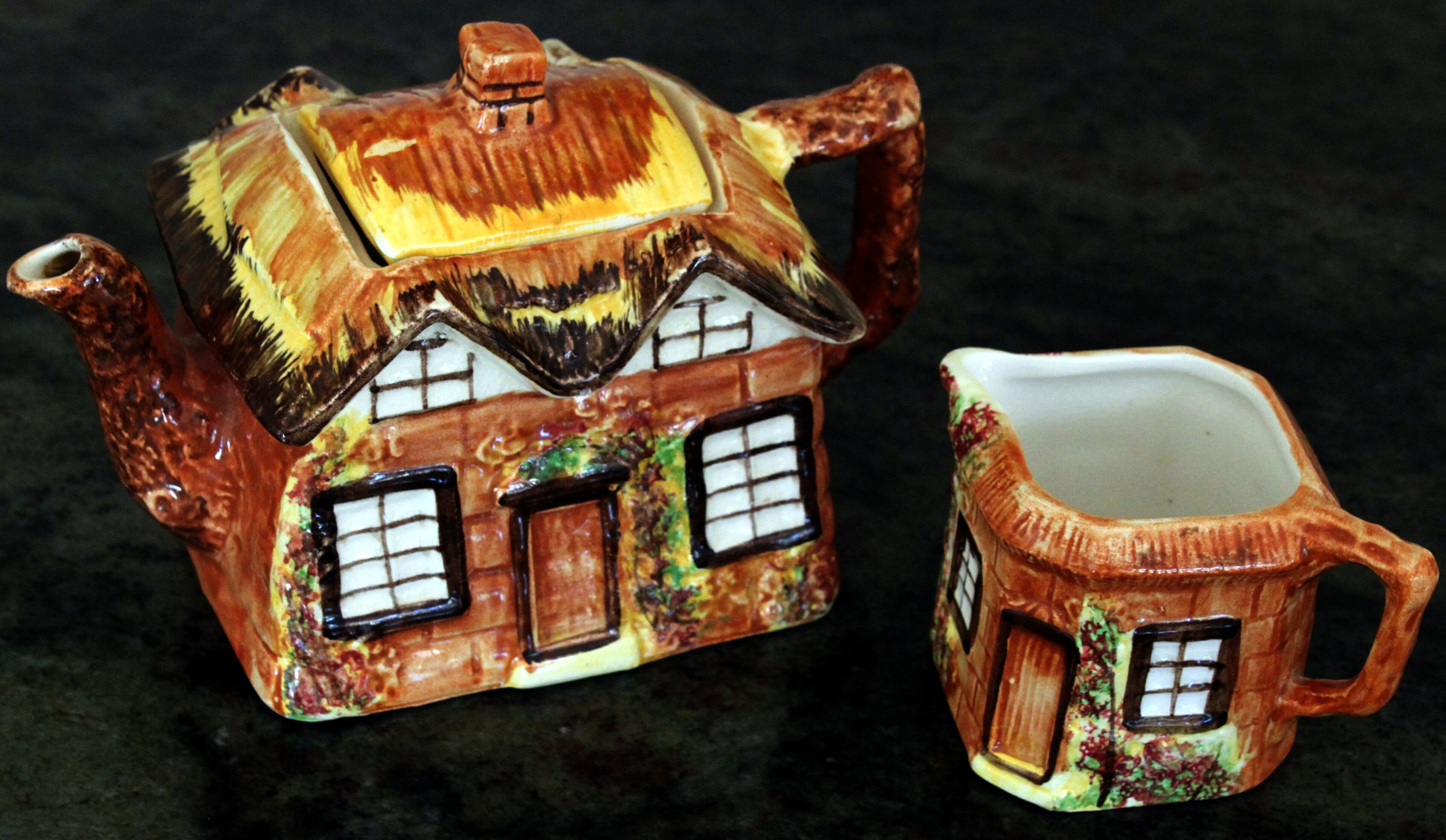
Of all the death blows to a text, sentimentality has to be at the top. It’s grandma’s quilt, chamomile tea, gossamer, kittens, a first kiss, or (even worse) the attendant abstractions—joy, hope, and dreams. Thou shalt not be sentimental.
Sentimentality is really an indulgence in the exhibition of emotions for their own sake, or more emotion (usually self-regarding) than seems warranted by the stimulus. Most poets have had sentimental moments here or there, including some of the ones on Parnassus. A few examples:
For example, Emily Dickinson shows almost no one is immune to sentimentality when she says:
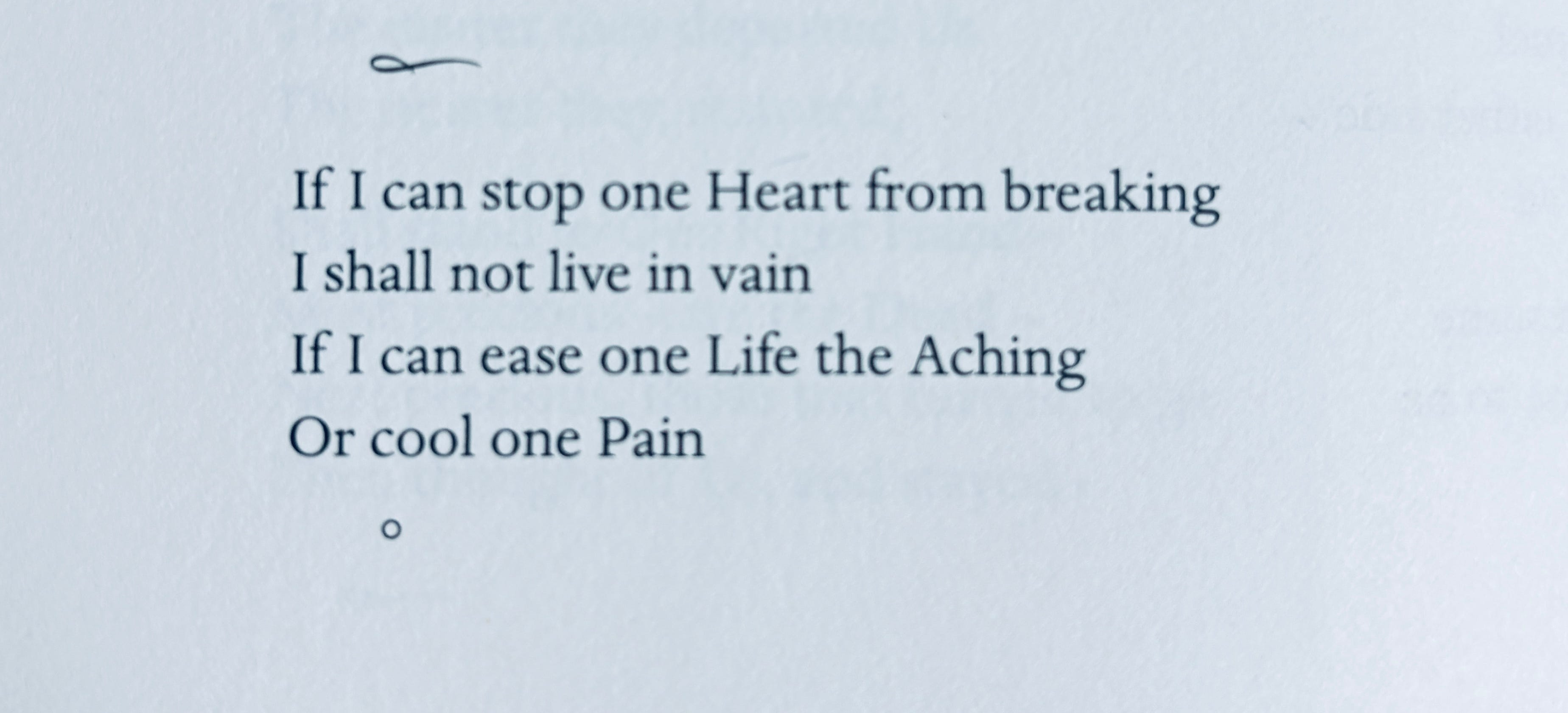
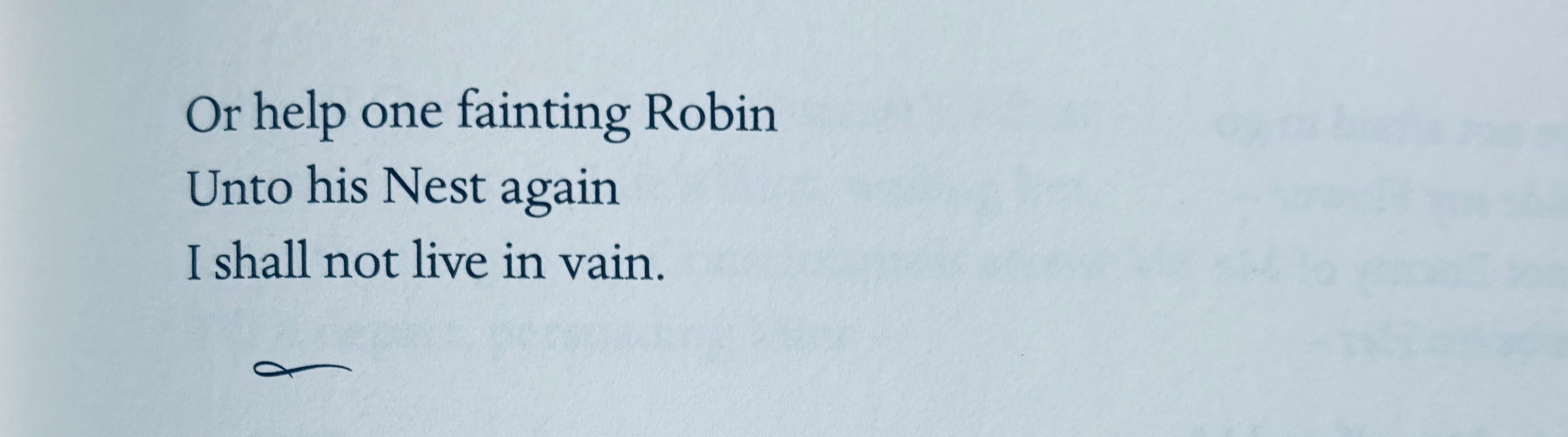
This is unconvincing hyperbole without an interesting image. Historically, sentimentality can be traced to a philosophical optimism in the 18th century. Culturally, it manifests as souvenirs, tchotchkes, and kitsch in all its forms.
Readers experience it as pathos that registers inadequately because the language hasn’t been urgent enough, pushed deeply enough, or transformed enough into “poetry.”
Many great poets, like Dickinson, or James Wright, wrote sentimental pap from time to time. Like a flu or a cyst, no one knows who will get sentimental, or when it will develop on an otherwise healthy body of work.
Wright was an inheritor of the Romantics, but he could easily fall into a kind of soft Romanticism, as in “A Prayer to Escape from the Market Place.”
