
Writing Problems: Sourcing Poems from Within

The conventional wisdom is that poems begin with language that attaches to sensory inputs: sight, smell, hearing, taste, and touch. Limited though they may be, they’re our access to experience and to feelings, the wellspring of poetry.
But what if our sensory inputs are a horror show? What if climate emergency, war, repression, and violence are too, too much? People are still weeping and bleeding animals; what if our senses are unreliable or give upsetting information?
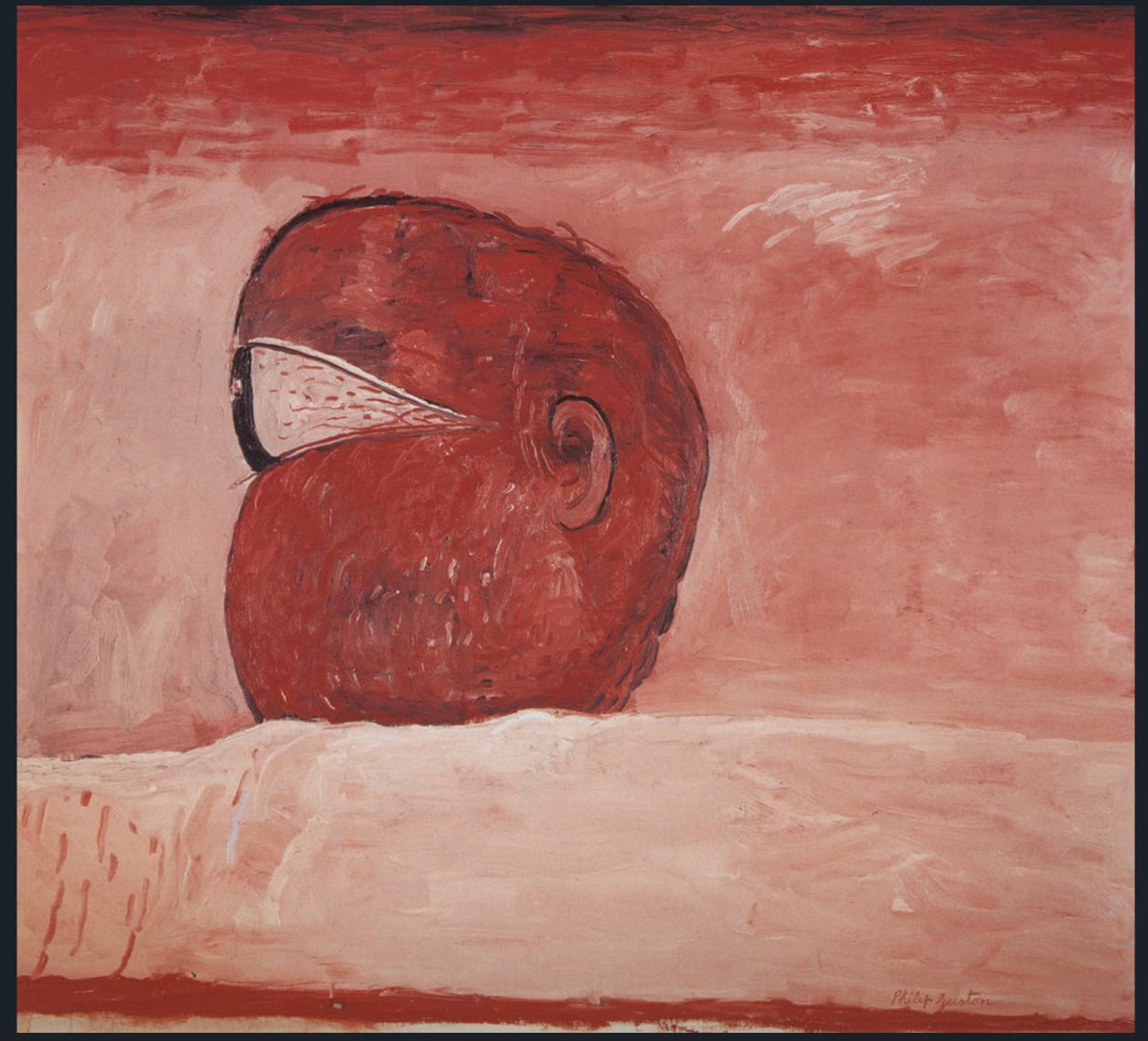
Psychological theory has an idea known as interoceptive acuity which is perceptual awareness of sensations inside the body. Interoceptive acuity thus reverses the sense organs. The eyes, ears, skin, and mouth are typically externally oriented, but our sensory inputs can be trained to go inward.
When this happens, there is a detectable difference in the spark and source of poetry. The idea is to focus on what psychotherapists call “just-noticeable-differences.” For example, when we have a stomach cramp, or air moves into our lungs, or our hearts race after strenuous exercise.
